Buying a Home With Well and Septic in Jupiter Farms
Most Jupiter Farms homes have their own well and septic system. A standard home inspection does not cover them, so plan separate checks.
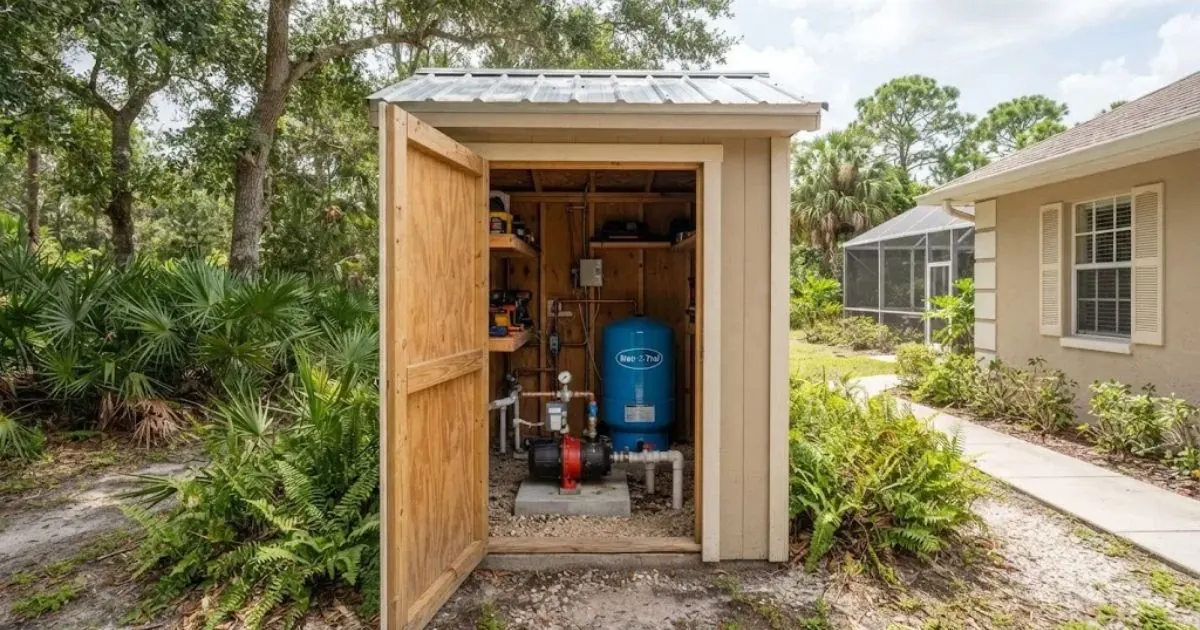
Inspect the Well and Septic Separately
A general home inspection looks at the house. It usually does not test the well pump, pressure tank, water quality, septic tank, or drain field. In Jupiter Farms, where most lots were platted in the 1950s and 1960s into acre-and-a-quarter to two-and-a-half-acre lots, those systems are part of the purchase.
Plan for at least four checks: a septic tank inspection and pump-out, a drain field evaluation, a well and pressure tank performance test, and a water quality test. Ask each inspector to put findings in writing.
What to Inspect and Why
Each system fails differently, and each has a different cost of failing.
| System | What to check | Warning signs |
|---|---|---|
| Septic tank | Liquid level, baffles, condition, last pump-out date | Sewage odor, slow drains, no records |
| Drain field | Soil absorption and any surfacing wastewater | Soggy or unusually green ground over the field |
| Well pump | Flow, amperage, and age | Pump cycling constantly or sputtering faucets |
| Pressure tank | Pressure, bladder, and cycling | Short cycling or pressure swings |
| Water quality | Bacteria, nitrates, iron, hardness, and sulfur | Rotten-egg smell, orange staining, scale |
| Records | Septic and well permit records | No permit history for additions or repairs |
Evaluating a Property Now?
Call the 24/7 line with questions about the plumbing.
Reading a Septic System
The Florida Department of Health says a septic tank should generally be pumped every three to five years and inspected about every three years. Ask the seller for pumping records and permit paperwork. The county health department keeps permit records for septic systems, and a record that does not match the house, such as a bedroom count that is larger than the tank was sized for, is a flag.
Septic oversight rules moved to the Florida Department of Environmental Protection in July 2021, but county health departments still handle permitting and inspection. A failing drain field is the costly problem. Wastewater surfacing on the ground, or a tank that fills quickly after pumping, are signs to investigate.
Is Sewer Available?
The Loxahatchee River District lists parts of Jupiter Farms in its sewer service area. Its rules require an owner to connect within one year of the sewer being declared available on a street that abuts the property, and to abandon the septic tank under state rules. Ask the District whether sewer is available or planned for the address before you buy.
That affects the real cost of the home. A property that looks fine on septic today may face a connection cost and an abandonment cost later.
Water Quality on a Private Well
Private wells are not covered by the testing and reporting that utility customers get, so the owner is responsible. Listings in Jupiter Farms regularly mention softeners, reverse osmosis systems, and treatment for sulfur odor, which tells you what the water often needs.
Ask for a recent test that covers bacteria, nitrates, iron, hardness, and sulfur. For a home you are buying, take your own sample, because the seller's report may be old. Treatment equipment adds cost and maintenance, so ask what is installed and its age.
How to Fit This Into a Purchase
Write it into the contract
Add well, septic, and water-quality inspections as contingencies.
Request records
Ask for pumping records, permits, and the age of the pump and pressure tank.
Schedule the inspections
Have the septic pumped for inspection and the well tested before the contingency expires.
Check sewer availability
Contact the Loxahatchee River District about the address.
Negotiate with the findings
Use written reports to adjust price or require repairs.
Where the Costs Hide
The most expensive failure in a well-and-septic home is usually the drain field, because replacing it can mean excavation, soil work, and permits. Next come well pump and pressure tank replacement, and then water treatment equipment. None of these is routine, but each can be large, and they are all easier to negotiate before closing than after.
That is why a written inspection matters. A repair estimate attached to a report is a negotiating tool. A suspicion is not.
Zoning, Lots, and Questions About the Land
Most of Jupiter Farms is zoned Agricultural Residential, which allows horses and outbuildings, and the lots are large enough that irrigation sometimes draws from a pond instead of the well. Ask where the irrigation water comes from, because heavy irrigation on a well can hurt pressure and cost more to run.
Ask also about flood zone status, easements, and the condition of the road. A paved road matters for emergency access and for the delivery trucks that pump septic tanks.
What Sellers Should Provide
A seller can provide pumping receipts, permit records for the septic system and the well, the age of the pump and pressure tank, and any water test results. A seller who cannot find any of these has not necessarily done anything wrong, but it means more work for the buyer.
If the well or septic system has been replaced, ask for the permit and the contractor's invoice. Those documents show what was installed and when.
Why Early Scheduling Matters
Septic pump-outs and well tests take scheduling time, and the inspection window in a purchase contract is short. Book the septic inspector and the well tester as soon as the contract is signed, and ask each how soon you will receive a written report.
If a report finds a problem, you will want time to get a repair estimate and negotiate. Waiting until the last days of the contingency leaves you little room.
Where to Go Next
If the tank is overdue, septic pumping explains the schedule and warning signs. Treatment questions for well water are covered under water filtration installation, and hardness under water softener installation. A pump that never stops cycling may mean a leak, which hidden leak location starts at the pressure tank.
The Jupiter Farms dispatch page covers well-and-septic emergencies in more detail.
Buying a Home With Well and Septic Questions From Jupiter
Usually not. They are separate inspections, and you should add them as contingencies.
The Florida Department of Health recommends every three to five years, with an inspection about every three.
Not always. The Loxahatchee River District serves parts of the area, so check the specific address.
At least bacteria, nitrates, iron, hardness, and sulfur. A lab test is the most reliable.
The county health department keeps them, and your inspector can help you find them.
Plumbing Question on a Property?
Call the 24/7 line and describe what you are looking at.
☎ Call (561) 448-8545