Polybutylene Pipes in Florida: Insurance and Replacement
Gray plastic pipe from the late 1970s to the mid 1990s can be hard to insure in Florida. Here is how to check for it and what replacing it involves.
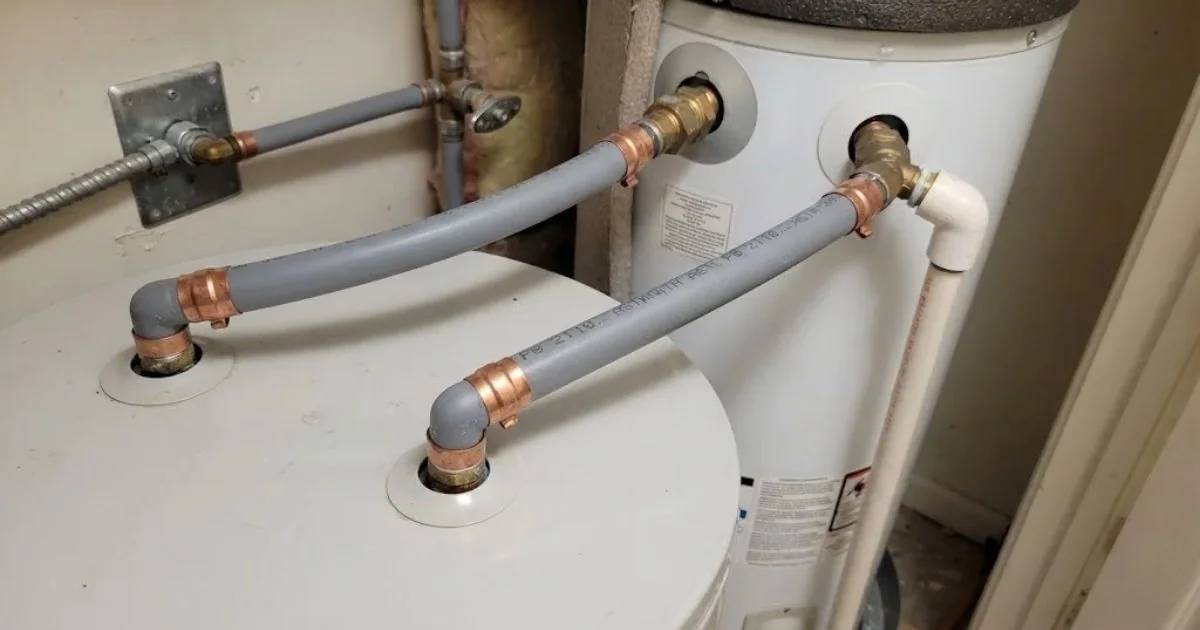
What Polybutylene Is and Why It Matters in Florida
Polybutylene, often called PB or poly pipe, is a flexible gray or blue-gray plastic pipe that was widely installed in new homes from about 1978 to 1995. It can fail at its fittings and from the effects of chlorine in water, and many insurers will not write or renew coverage on a house that has it.
According to NBC 6 reporting, Citizens Property Insurance Corporation, Florida's insurer of last resort, said that like most of the insurance industry it does not insure properties with polybutylene piping. If your home was built in that window, checking the plumbing early is worth the effort.
How to Tell If You Have It
Color
The pipe is gray or blue-gray, often with a plastic, slightly flexible look.
Marking
Look for the stamp PB-2110 printed along the pipe.
Where to look
Check the water heater connections, the main shutoff, and under sinks and toilets.
Fittings
Copper or plastic crimp rings and fittings at the ends are typical of poly installs.
House age
A home built between 1978 and 1995 with original plumbing is the classic case.
Inspection
A plumber or a home inspector can confirm it, including pipe hidden behind walls.
Four-Point Inspections and Underwriting
Many Florida insurers require a four-point inspection before writing or renewing coverage on a home that is 20 years old or older. It looks at the roof, electrical system, air conditioning, and plumbing. Polybutylene is a common reason that inspection flags a house.
The Florida Office of Insurance Regulation has said an insurer may consider the age of the home, roof, plumbing, electrical wiring, or air conditioning when offering coverage. That means a poly finding does not have to be a disaster, but it does mean the conversation with your agent should start before a renewal date, not after.
Replacement Materials
Most Florida replacements use one of two materials.
| Material | Strengths | Trade-offs |
|---|---|---|
| PEX | Fast to install, flexible, fewer joints, accepted by insurers | Needs UV protection and quality fittings |
| Copper | Long record, rigid, fire-resistant | More labor, more joints, pinhole risk in aggressive water |
| CPVC | Lower material cost | Can become brittle with age and heat |
| Keep polybutylene | No upfront cost | Insurance and failure risk remain |
Home Built Between 1978 and 1995?
Call the 24/7 line and ask about a material check.
Why Many Jupiter Homes Fit the Window
Census figures show Jupiter rising from about 3,100 residents in 1970 to nearly 25,000 by 1990, which is when polybutylene was most common. Much of that housing arrived in those years. Tequesta, platted in the late 1950s, has older homes too, though some were later repiped.
A repipe replaces the supply lines from the main shutoff to each fixture. Drain and sewer lines are separate. The page on supply system replacement covers materials, permits, and what the work involves. If you already have a leak, leak pinpointing shows where, and a failed line is handled under pipe failure repair. The Tequesta service area page explains the older housing there.
What a Replacement Involves
Confirm
A plumber verifies the pipe type and maps the supply lines.
Permit
A permit is pulled with the Town or county before work starts.
Run new pipe
New supply lines are routed to each fixture and the old polybutylene is abandoned or removed.
Pressure-test
The new system is pressurized and checked for leaks.
Inspect and patch
The inspector signs off and wall openings are patched.
What Actually Goes Wrong With Polybutylene
Polybutylene does not poison water. The problem is mechanical. Oxidants such as chlorine in the water supply can degrade the pipe and its fittings over time, and failures tend to happen without warning, often at fittings or connections. A pipe can look fine on the outside and still be weak at a joint.
Because the failures are sudden, the damage can be large. A fitting that lets go in a wall or an attic can run for hours before anyone notices, which is why insurers ask about it and why knowing your main shutoff matters.
If You Are Buying or Selling a Home With Poly
A buyer's inspection or four-point inspection will usually find it. Buyers often ask the seller to replace the plumbing or lower the price, and some insurers will not bind a policy until the issue is resolved. Ask your insurance agent about a specific house before closing, not after.
Sellers do better by getting a written replacement quote early. It turns an open-ended objection into a known number, and it lets the buyer's lender and insurer see a plan.
What to Do in the Next 30 Days If You Find It
Call your insurer
Ask what they require and whether renewal is affected.
Get written quotes
Ask for PEX and copper options with permit and patching included.
Locate the main shutoff
Make sure it turns, and label it.
Watch the meter
Check for a moving meter with all taps closed now and then.
Keep Records Either Way
Save any inspection report, repipe invoice, and permit record. Insurers and buyers ask for them, and a documented replacement can help with a renewal. If you replace only part of the system, record which sections were done.
A record of the main shutoff location and the pipe material is also useful to anyone who needs to work on the house later.
Replace Now or Wait
Replace now if the insurer requires it, if you have had a leak, or if you plan to sell. A buyer's inspection will find poly, and a seller often ends up paying for it or discounting the price.
Waiting can be reasonable only if there are no leaks and your insurer is not asking. Even then, a failure at a fitting can release water quickly, so know where your main shutoff is.
Polybutylene Pipes in Florida Questions From Jupiter
It is not considered a drinking water hazard. The concern is leaks and failures that can cause water damage.
It depends on the policy. Many insurers exclude it or decline to write the home. Ask your agent.
A typical house can take a few days, depending on size and access. The plumber gives a schedule after reviewing the home.
No. Many were built with copper or CPVC, and many have been repiped. The only way to know is to check.
Usually yes, though water is off for part of each day, and the crew will tell you the schedule up front.